Indian Cuisine vs Pakistani Cuisine: Same Roots, Different Plates
 March 11, 2026
|Share


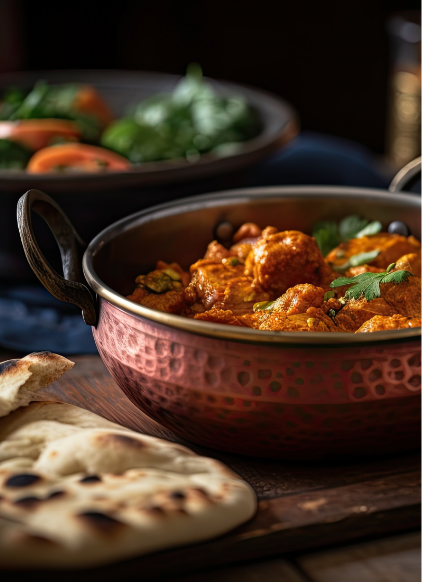
Nobody who has eaten real Nihari at 8 A.M on a Sunday, or torn into fresh naan (flatbread) still hot from the Tandoor (clay oven), sits around debating which cuisine is “better.” They just eat. Then they come back the following weekend and do it again. Indian cuisine and Pakistani cuisine share many dishes and spices, but they differ in cooking techniques, protein traditions, and regional influences.
But if you have ever tried to explain to someone why Indian cuisine vs Pakistani cuisine is not the same debate as north vs south (or wondered yourself: is Pakistani food similar to Indian food?), the answer is yes and no, and the distinction matters when you are ordering for a mixed table. Here is what actually separates these two cuisines, why both deserve a seat at the table, and where you can get both done right in Jersey City.
How Indian and Pakistani Cuisine Grew From the Same Roots
Both cuisines come from the same place. The Mughal empire built a food culture so sophisticated that its recipes are still being chased five centuries later: slow-braised meats, rice dishes layered with saffron and fried onion, breads pulled from clay ovens that have not changed shape since the 16th century. When the subcontinent divided in 1947, nobody handed out a recipe book. Families left with what they remembered, and both cuisines kept evolving on their own side of the border.
Craving Indian or Pakistani Food in Jersey City? Try Laree Adda
For anyone searching for Pakistani restaurants in New Jersey that also serve authentic Indian food, Laree Adda on Grove Street is the answer. Sitting at the heart of one of the most diverse South Asian dining corridors on the East Coast, Laree Adda serves halal dining in Jersey City without compromise: no shortcuts, no fusion, no watered-down versions. Browse the Laree Adda menu and you will see why the kitchen cooks both cuisines — because this community has always eaten both, and a table that only serves one half of that story is not doing its job.
Pakistani Dishes on The Menu at Laree Adda:
- Lalla Ki Nihari: Slow-braised beef shank that Pakistani restaurants get judged by. Ours holds up.
- Phajjay Ke Paye: A Lahori institution. Rich, unapologetic, not for the timid.
- Chicken Tikka Masala: Tandoor-charred chicken pulled and finished in a smoky masala sauce.
- Mutton Korma: Slow-cooked mutton in an aromatic gravy that is the definition of comfort food.
Indian and Vegetarian Dishes Worth Ordering at Laree Adda:
- Palak Paneer (spinach and fresh cheese curry): Fresh paneer in a spiced spinach base that earns its place on the table every time.
- Daal Tarka (tempered lentils): Lentils finished with a hot tadka. Simple on paper, deeply satisfying in the bowl.
- Achari Aloo (pickle-spiced potatoes): Potatoes in a tangy pickle-spiced sauce. Sharper than it sounds. Better than you expect.
- Chana Masala (spiced chickpea curry): Chickpeas cooked in a tomato and spice base with real depth behind it.
For diners exploring South Asian food in Jersey City or nearby Hoboken, Grove Street has become a destination for authentic Indian and Pakistani cuisine. Laree Adda sits at the center of that. Every meat dish is halal. Nothing is simplified for a Western palate.
Pakistani vs Indian Cuisine: Here Is Where They Actually Differ
Whether you are researching Pakistani vs Indian food for the first time or trying to explain the difference to someone who thinks they are the same thing, the two tables below lay it out clearly.
What’s on the Plate
| Category | Pakistani Cuisine | Indian Cuisine |
| Proteins | Beef, lamb, mutton, chicken, fish | Chicken, fish, dairy; serious vegetarian tradition |
| Vegetarian depth | Present but secondary | Central, not a compromise, the main event |
| Dishes worth knowing | Nihari (slow-braised stew), Karahi (wok curry), Seekh Kebab (skewered minced meat), Paye (slow-cooked trotters) | Dal Makhani (buttery lentils), Palak Paneer (spinach and cheese), Chana Masala (spiced chickpeas), Biryani (layered spiced rice) |
| Bread | Naan (leavened flatbread), roti (wholemeal flatbread), paratha (layered flatbread). Tandoor is non-negotiable. | Same foundation; regional styles vary widely |
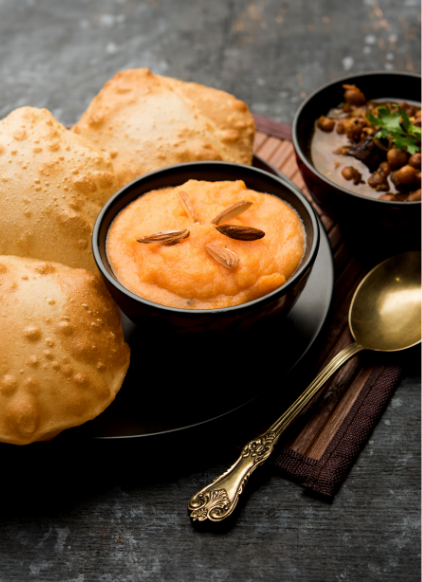
| Sweets | Halwa (semolina sweet), Phirni (rice pudding), Kheer (milk pudding) | Gulab Jamun, Rasgulla, Barfi (milk fudge), Kheer (milk pudding) |
How It Gets Cooked
| Category | Pakistani Cuisine | Indian Cuisine |
| Flavor profile | Bold, robust, whole spices doing heavy lifting | Wide range, from mild and creamy to genuinely fiery |
| Cooking style | Slow reduction, tandoor char, gravies built over hours | Tadka (spice tempering), dum cooking (sealed steam cooking), coconut-based, tamarind-laced |
| Spice approach | Whole spices bloom in oil; garam masala (warm spice blend) hits hard | Ground spice pastes; varies dramatically by region |
| Heat level | Medium to high, depth over fire | Mild in the North, dangerously hot in the South |
| Common ground | Shared spice cabinet, tandoor breads, Mughal-era dishes. The overlap is bigger than the gap. | |
Pakistani Cooking: Time Is the Ingredient
A proper Nihari does not happen fast. Beef shank goes in before sunrise and comes out hours later, the marrow long dissolved into a gravy so deep and spiced it barely needs anything else. Paye follows the same logic: trotters cooked until the collagen gives up completely and the broth turns thick and rich. This is food that earns its reputation by refusing to be rushed.
Then there is the Karahi (wok-style pan curry), which is everything Nihari is not. High heat. A steel wok. Meat dropped into oil that is already smoking. The char happens fast and that is exactly the point. Seekh kebab (skewered minced meat grilled on a skewer) on the tandoor works the same way: a crust that forms in seconds and seals everything worth tasting inside. This is Pakistani desi food at its most confident: big heat, bold spice, no apology.
Indian Cooking: The First Ten Seconds Matter Most
Tadka (spice tempering) is the move that defines Indian cooking. Hot ghee (clarified butter) or oil, cumin seeds hitting the surface and crackling immediately, mustard seeds popping, a dried chili curling at the edges. Ten seconds. The whole flavor base of the dish is built right there. It is why a Daal Tarka (lentils finished with tempered spices) announces itself the moment it leaves the kitchen. You smell it before you see it.
Dum (sealed steam) cooking works the opposite way: a sealed pot, low heat, steam doing all the work slowly. That is the only way biryani becomes biryani: saffron rice sitting above slow-cooked meat, absorbing every bit of juice from below. In southern India, coconut milk and tamarind pull the cuisine in a completely different direction. Thinner gravies. Brighter sourness. More heat. It is the same country producing food that tastes like an entirely different tradition.
The Table Tells You Everything
Pakistani meals are not plated. Everything lands at the center and the table reaches in. Pakistani food culture is built around generosity. A host who lets you leave hungry has failed at the job. Weekend breakfasts around a pot of Nihari or Paye with fresh naan are not just meals. They are a weekly ritual that has survived partition, migration, and decades of living in cities like Jersey City.
Indian dining has its own rhythm. The Thali (a round platter of small dishes) puts an entire cuisine on one tray: Daal (lentils), Sabzi (vegetable dish), rice, bread, pickle, something sweet, all eaten together, each element balancing the next.
Eating with hands is not casual; it is considered the correct way to engage with the food. And when a festival comes around, the table changes completely. Dishes that only appear once a year, made with attention that takes all day, that is when both cuisines show exactly what they are capable of.
The Thing That Still Holds Them Together
Put a Pakistani cook and an Indian cook in a kitchen and hand them both a bag of whole spices. They will reach for the same things. Cumin. Coriander. Cardamom. Cloves. Cinnamon. The moment those spices hit hot oil, both kitchens smell identical. That shared spice language is exactly what makes Indian Pakistani food together on one table feel right rather than random. You stop thinking about which country a dish comes from and start thinking about which one you are eating next.
Final Words: Laree Adda Is Waiting: Reserve Your Table Today
Right now, somewhere in Jersey City, a pot of Nihari is already on the stove. The naan dough is resting. The tandoor is heating up. By the time the weekend arrives, the tables at Laree Adda will be full of people who planned ahead.
The Indian cuisine vs Pakistani cuisine debate ends the same way every time: at the table, with both. The Nihari. The Palak Paneer. The charred naan you tear and dip before the curry even reaches the table. That meal is one form away. Make a reservation at Laree Adda and your table will be waiting.