What Is Nihari? Exploring Flavorful World of Nihari | Types and Varieties
 March 10, 2026
|Share


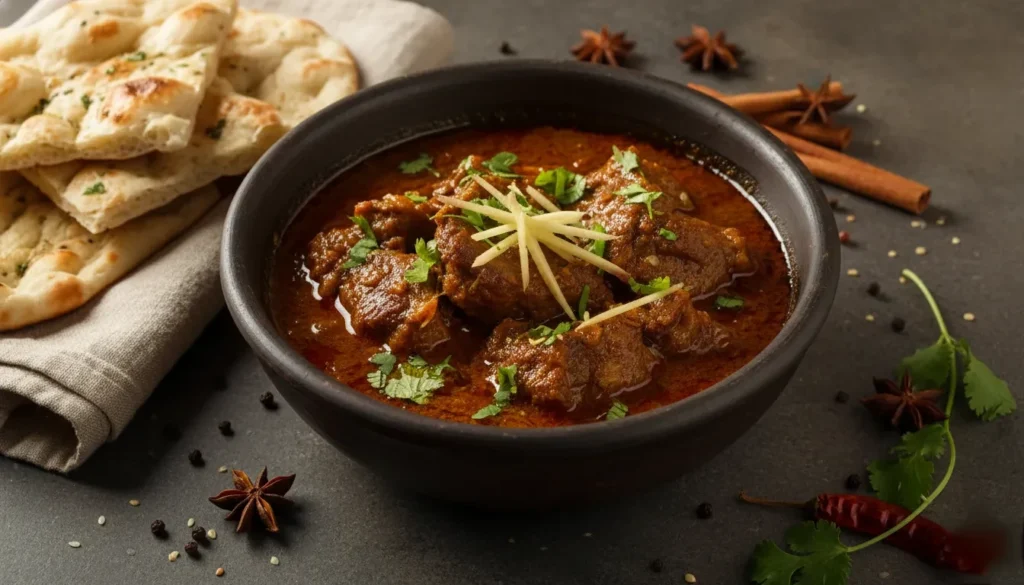
Nihari is a slow-cooked meat stew made with shank cuts in a thick spiced gravy. The dish requires hours of simmering on low heat to develop its flavor. People love Nihari because of its significance in South Asian cuisines. Nihari remains part of daily meals in many homes today.
The various types of Nihari include Beef Nalli Nihari, Mutton Nalli, and Maghas options. Each variety uses different cuts yet shares the same slow cooking method. This guide covers the main types to answer common searches about the dish.
Nihari Options at Laree Adda, New Jersey
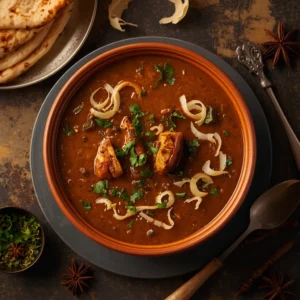
Lalla Ki Nihari
Lalla Ki Nihari is a bone marrow-infused stew from the Indian subcontinent. It consists of slow-cooked shank of beef. Customers can try our Lalla ki Nihari at Laree Adda, located in Jersey City. Check the Laree Adda menu to see all Nihari options served in New Jersey.
Main Types of Nihari
Beef Nihari
This exquisite dish’s most well-known and widely liked form is probably beef Nihari. Slow-cooked beef shanks and bones provide a delicious and substantial gravy complemented by a fragrant spice blend. Ginger, garlic, garam masala, and nutmeg impart a rich and compelling flavor to the meat. Because of the slow cooking method, the beef becomes delicate and succulent, making every bite a great joy.
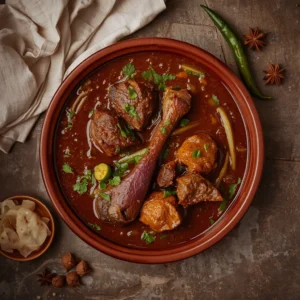
Mutton Nihari
Mutton Nihari is a variant that highlights the richness and depth of flavors provided by mutton. The soft mutton pieces are slow-cooked, allowing the spices to enter and create a harmonic flavor combination. Like beef Nihari, fragrant herbs such as garam masala, ginger, and garlic give the meal a distinct flavor. Mutton Nihari is a treat for meat connoisseurs who appreciate this meat’s distinctive flavor profile.
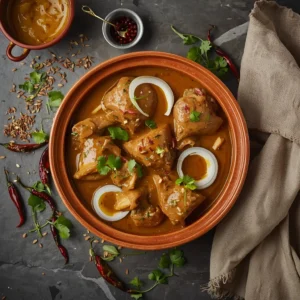
Nalli Nihari
The nalli or marrow bones are the center of Nalli Nihari, a specialty version focusing on the marrow bones. The marrow gives the meal a distinct richness and depth, elevating the flavors to a new level. Slow simmering allows the spices to soak deeply into the marrow, offering a delicious and indulgent sensation. Nalli Nihari is a dish best consumed with naan or tandoori roti to appreciate the savory marrow.
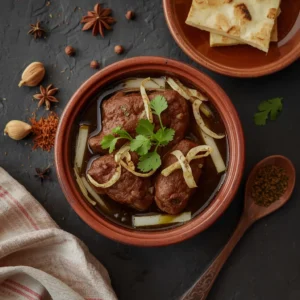
Maghas Nihari
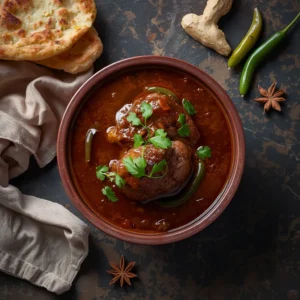
Maghas Nihari provides a unique experience for brave eaters by integrating the whole brain into the dish. The brain gives the gravy a creamy and delicate texture, boosting the whole flavor profile. The brain is cooked alongside the meat and spices, allowing its flavors to permeate the entire dish. Maghas Nihari is a culinary experience for individuals who like rich flavors and unusual textures.
Chicken Nihari
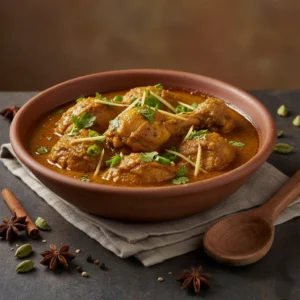
Chicken Nihari is a lovely twist on the traditional recipe for those who enjoy fowl. It retains all its flavors and has a lighter texture than beef and mutton variants. Slow-cooked with aromatic spices, the chicken yields soft, flavorful meat that perfectly matches the silky sauce. Chicken Nihari is a popular choice among Pakistanis and Indians in Jersey City since it provides a lighter alternative without sacrificing flavor.
Nihari Meat Cuts Explained
Nihari always starts with shank meat for its collagen that creates the gravy. Beef shank offers one flavor while mutton provides another. Nalli adds bone marrow, and Maghas uses a brain. Beef works for longer cooking. Mutton cooks faster. Choose based on preference since both produce good results in standard recipes.
Here is a quick comparison of meat options for clarity.
Meat Cut |
Flavor Profile |
Best For |
Cooking Time |
|
Beef Shank |
Strong |
Classic Nihari |
6 to 8 hours |
|
Mutton Shank |
Mild |
Everyday meals |
5 to 6 hours |
|
Nalli |
Adds marrow |
Richer gravy |
8 hours |
|
Maghas |
Smooth |
Special meals |
6 to 7 hours |
Nihari vs Similar Dishes
Nihari features slow-cooked shank in thick gravy. Nalli Nihari adds marrow focus. Paya uses trotters for a lighter consistency. Karahi delivers a faster stir-fried taste without long cooking. Use this table for quick reference on differences.
Dish |
Key Feature |
Cooking Style |
Texture |
|
Nihari |
Slow-cooked shank gravy |
Overnight simmer |
Thick |
|
Nalli Nihari |
Extra bone marrow |
Slow simmer |
Richer |
|
Paya |
Trotters in light soup |
Slow boil |
Broth like |
|
Karahi |
Stir-fried meat |
Quick high heat |
Dry and spicy |
These comparisons address common questions about differences. Each dish holds its place in the cuisine. Nihari stands out for its slow cooking and morning roots.
History and Origin of Nihari
Nihari comes from the Arabic word “Nahar” which means morning. Cooks prepared it overnight for an early breakfast in old Delhi. Mughal emperors ate this meal. The dish spread across South Asia after the Mughal period.
Delhi remains its birthplace. Pakistan and India developed unique styles over time. Karachi Nihari uses bolder spices. The milder Lucknow version appears in other areas. Breakfast tradition continues in many households. Families gather for Nihari after morning prayers or before work. This history explains its place in daily routines.
A hallmark of an authentic Nihari is the Roghan; this flavorful red oil rises to the top after hours of simmering and the final addition of a hot Tarka, signaling that the spices have reached their peak.”
How to Enjoy Nihari at Laree Adda
Pair Nihari with fresh naan or kulcha. Add lemon wedges, sliced onions, and green chutney on the side. These items go with the stew. Visit Laree Adda in Jersey City for halal Nihari prepared daily. The chefs follow traditional methods. Make a reservation at Laree Adda to try Nihari. The restaurant offers catering for groups.
[Get Directions] | [Order Online]